

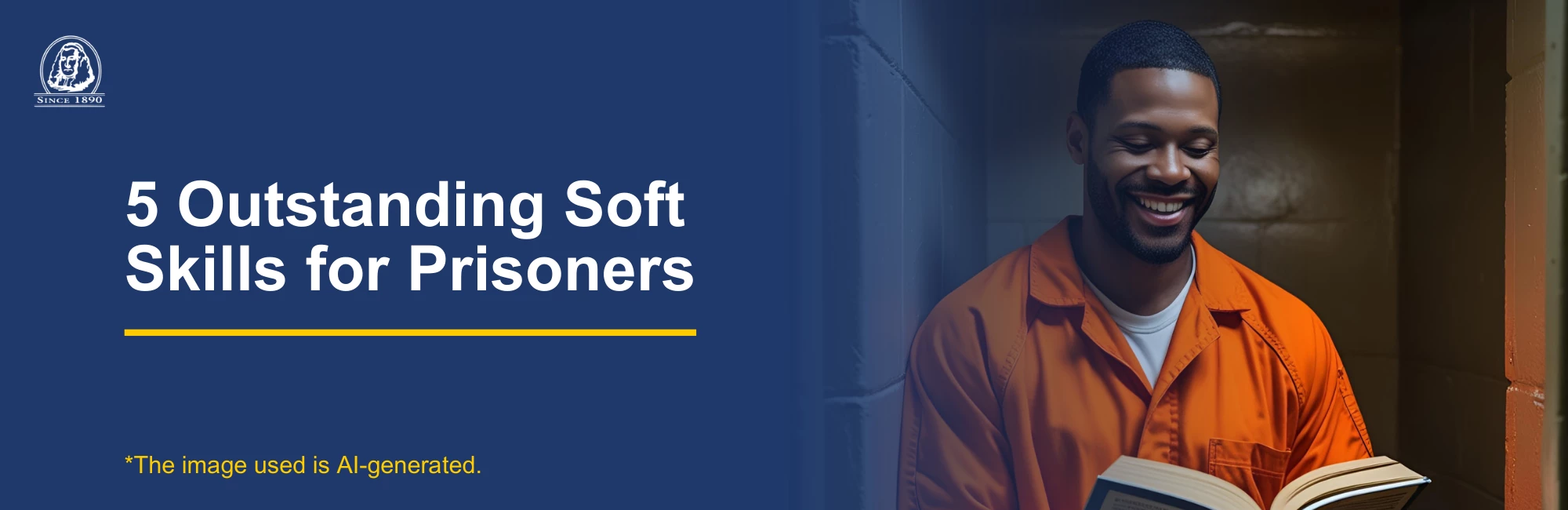
5 Outstanding Soft Skills for Prisoners
Developing soft skills—non-technical, interpersonal strengths—can be a game-changer for individuals preparing for life after incarceration. Employers consistently value these traits and cultivating them behind bars sets the stage for a smoother transition into the workforce.
Here are five in-demand soft skills that can be developed both inside prison walls and after release:
1. Networking
Why it matters: Studies show that 50-80% of jobs are found through networking, demonstrating the value of this soft skill. Making and maintaining connections can dramatically increase employment opportunities.
How to practice on the inside:
- Maintain personal connections with family and friends via letters, email, and video calls.
- Utilize pen pal services such as WriteAPrisoner.com to expand connections.
- Join educational or vocational programs and connect with classmates and instructors.
How to apply on the outside:
- Reconnect with old contacts and maintain relationships built during incarceration.
- Create a LinkedIn profile and connect with family, friends, and professional contacts utilizing advice from online articles:
- Attend community events, join local organizations, or volunteer to meet new people.
2. Professionalism
Why it matters: Professional behavior and appearance influence how someone is perceived in interviews and on the job. Professionalism as a soft skill also supports long-term career growth.
How to practice on the inside:
- Write letters with care and polish.
- Interact respectfully with prison staff and instructors.
- Read books like The Blue Book of Grammar and Punctuation to improve writing skills.
How to apply on the outside:
- Build a professional wardrobe for job interviews; many communities offer free interview attire through local professional closets.
- Use grammar tools such as Grammarly or take a free online grammar course such as the course offered by Khan Academy to enhance communication.
3. Problem Solving
Why it matters: Employers value people who can think critically and solve problems quickly and creatively. This soft skill promotes productivity in the workplace.
How to practice on the inside:
- Learn from daily challenges in prison to improve adaptability.
- Intentionally develop problem solving skills with puzzles, word games, and logic problems.
- Read books that introduce problem-solving methods.
How to apply on the outside:
- Leverage design thinking as well as other creative problem solving tips.
- Use tools like 5 Whys, SWOT Analysis, and Mind Mapping to find solutions at work.
- Take initiative to troubleshoot and offer suggestions when issues arise.
4. Resilience
Why it matters: Life will present setbacks. Resilience—the ability to bounce back with strength and optimism—is key to personal and professional success. It is a soft skill that can be built over time, especially through difficult experiences.
How to practice on the inside:
- Reframe past experiences as opportunities for growth.
- Reflect on false beliefs or mental blocks, such as issues with self-worth.
- Cultivate a mindset of hope and resilience through journaling, reading, or mentoring others.
How to apply on the outside:
- Expect setbacks, especially during job hunting. Stay persistent.
- Focus on mental well-being to avoid being derailed by stress or rejection.
- Use support systems and peer groups to stay grounded.
5. Stress Management
Why it matters: High stress can sabotage success in the workplace. Learning strategies for stress management can be a crucial soft skill in today’s fast-paced world. Managing stress is critical for maintaining performance and emotional balance.
How to practice on the inside:
- Learn and use calming tools like the 5-4-3-2-1 technique.
- Practice deep breathing.
- Participate in psychological rehabilitation programs.
How to apply on the outside:
- Pursue therapy to navigate the time of transition.
- Continue to use learned stress management strategies in life and work.
Final Thoughts
Soft skills aren’t just “nice to have”—they’re essential. Whether justice-impacted individuals are preparing for release or already navigating post-incarceration life, focusing on these five areas can empower them to succeed in their job search, their career, and their community.
About Us
Blackstone Career Institute has been serving incarcerated students since the late 1970s. Our correspondence Paralegal Certificate Program has reached individuals in over 1,800 facilities across the nation. Every year we hear from students who share stories about their journey through the program, the legal system, and what they have learned about themselves. This is more than education – it is the power of transformation.
If you’re interested in joining the movement and sponsoring a student, learn more here or contact us at info@blackstone.edu.