
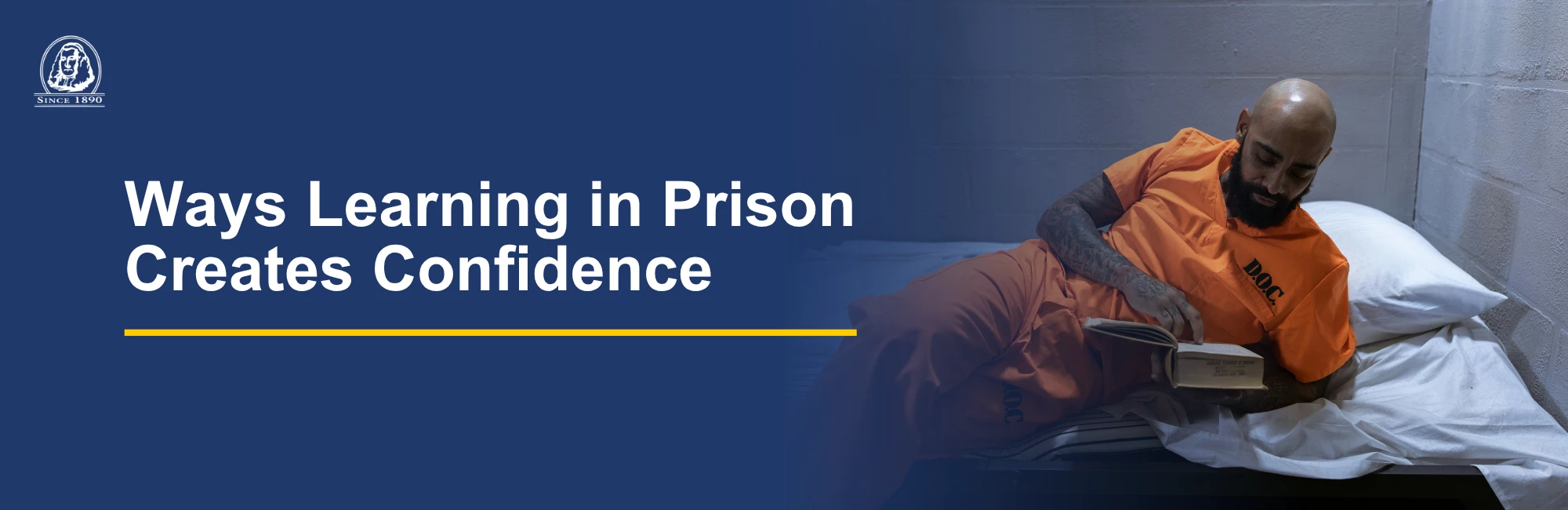
Ways Learning in Prison Creates Confidence
Learning in prison is more than a way to pass the time—it is a turning point in someone’s life. For many incarcerated individuals, education provides structure, purpose, and a renewed sense of direction. Friends and family members who want to support their loved one find that encouraging learning in prison is one of the most impactful steps they can take.
Prison environments can feel stagnant and repetitive, and days often blend together without clear progress. Learning in prison interrupts the cycle by replacing idle time with measurable growth and accomplishment.
Turning Time Into Progress
Education gives structure to time. When someone enrolls in a program, they move from counting days to completing assignments and reaching milestones. That shift creates momentum and reinforces the idea that progress is possible.
Confidence grows when progress becomes visible. Each completed lesson or exam proves that effort leads to results. Learning in prison transforms time from something endured into something invested.
Knowledge Builds Capability
One of the most immediate benefits of learning in prison is the acquisition of knowledge and practical skills. Gaining new information changes how a person views themselves. When someone masters legal terminology, business principles, or technical concepts, they begin to see themselves as capable.
Capability is the foundation of confidence. Instead of identifying with past mistakes, individuals begin identifying as students and learners. That shift in identity has a powerful psychological impact.
Reduced Recidivism and Real Change
Research supports the value of education behind bars. A study from the RAND Corporation, funded by the U.S. Department of Justice, found that incarcerated individuals who participated in education programs were significantly less likely to return to prison after release. That reduction in recidivism reflects more than statistics.
Learning in prison supports long-term behavioral change. When individuals build skills and set goals, they create a future they are motivated to protect. Confidence grows when a person believes they have real opportunities outside prison walls.
Opening Future Career Opportunities
Employment after release is a common concern for incarcerated individuals. Uncertainty about job prospects can weaken hope. Learning in prison provides credentials and concrete skills that can improve employability.
Educational programs also give individuals language to describe their growth. Certificates and coursework demonstrate discipline and commitment. These achievements allow individuals to speak confidently about their efforts to rebuild their lives.
Personal Development Beyond Employment
The potential benefits of prison education extend beyond career preparation, such as improved critical thinking, stronger communication skills, and increased self-discipline. These benefits impact every area of a person’s life.
Learning in prison can strengthen basic academic abilities, like sharpening problem-solving skills. It can also promote patience and focus, which are essential traits for long-term success.
Specific Ways Learning in Prison Builds Confidence
Learning in prison builds confidence in several measurable ways:
- It equips incarcerated individuals with real knowledge and usable skills.
- It provides clear milestones and accomplishments.
- It opens future career opportunities.
- It strengthens communication and critical thinking.
- It offers a constructive outlet for time and mental energy.
- It encourages discipline and accountability.
- It allows individuals to set an example for others.
- It helps reshape personal identity from offender to student.
Each of these benefits reinforces the idea that growth is possible. When individuals see themselves succeeding academically, they begin to believe they can succeed in other areas of life as well.
Emotional and Mental Benefits
Education inside prison walls rarely stays contained to one person. When someone commits to learning in prison, others notice, and the desire to learn can spread through their peer group. Incarcerated students encourage others to enroll in educational programs, creating a ripple effect that extends beyond individual achievement. Becoming a positive example strengthens self-worth. It reinforces the idea that their daily choices influence others in meaningful and visible ways.
At the same time, learning in prison provides a constructive emotional outlet. Studying law, business, or other subjects engages the mind in focused activity and replaces idle time with purposeful effort. Concentration and routine create a sense of control in an environment where control is limited, which promotes stability and reduces boredom. That stability strengthens self-esteem, and confidence develops through consistent effort, achievement, and the knowledge that personal growth can inspire others.
How Families Can Support Learning in Prison
Friends and family members play an important role in supporting educational growth. Sponsoring a student to take an educational program communicates belief and encouragement. It is a way to send the message that their loved one’s future matters.
Supporting learning in prison is both practical and symbolic. It invests in skills while reinforcing hope. This support can sustain motivation during challenging coursework.
Educational Opportunities for Incarcerated Individuals
Blackstone Career Institute offers educational options designed specifically for incarcerated students. One example is the correspondence Paralegal Certificate Program, which can be completed through the mail without Internet access.
This program allows students to study legal principles, terminology, and research methods in a structured format. It provides clear lessons and measurable progress. Friends or family members can sponsor their loved one for as little as $59 down and $39 a month (total tuition cost is $887).
Learning in prison is not only about earning a certificate. It is about restoring confidence and creating direction. When families support learning in prison, they invest in knowledge, opportunity, and transformation.
Education plants the belief that tomorrow can be different from yesterday. As knowledge grows, confidence grows with it. That growth can shape a stronger future both inside and outside prison walls.
Written by Colt Parris