
How to Align Career Goals with Your Life: 8 Considerations
Setting career goals is more than just picking a job title and a paycheck. It’s about crafting a life that matches your needs, your passions, and your values. The process of figuring out what you want to do for a living—and why—can feel overwhelming, but asking the right questions will help you make confident, intentional choices.
Your career goals will evolve as your life changes, so think of them as a living roadmap. They guide you, but you can update them as you grow. Here are key factors to consider when building a plan that makes sense for your work, your family, and your future.
Childcare: Planning Around Your Family’s Needs
If you have children (or plan to), they are going to play a huge role in your career choices. Ask yourself: are you looking for full-time work, or do you need part-time flexibility to manage school drop-offs, appointments, or daycare schedules? Planning ahead will help you avoid conflicts and stress later.
Consider the cost of childcare relative to your earning potential. The U.S. Department of Health & Human Services defines affordable childcare as costing 7% or less of a household’s income. If it costs more than that, it might impact your decision to work full-time or lead you to seek remote options.
Earning Potential: Knowing What You Need to Earn
Money might not buy happiness, but it definitely keeps the lights on. A major part of your career goals should include how much you need to earn to support your family and lifestyle. Think about both the short-term (monthly bills, groceries, gas) and the long-term (savings, retirement, college funds) needs.
Use tools like the MIT Living Wage Calculator to understand what’s realistic for your location. If you’re looking at a career that requires a pay cut, consider whether it comes with benefits like better healthcare, tuition reimbursement, or paid time off that might balance the equation.
Remote Availability: Work From Anywhere
Remote work can be a game-changer and has become more popular since the pandemic. Whether you want to stay home with your kids, reduce commuting costs, or have the freedom to travel, remote work may be part of your career goals.
Sites like FlexJobs and Remote.co can help you identify legitimate remote opportunities in your field. Be honest about whether you have the space, technology, and discipline to work from home effectively—remote work sounds dreamy, but it isn’t always the right fit for everyone.
Flexibility: The Power of Your Schedule
Some people thrive on a traditional 9-to-5 schedule, while others need something more adaptive. Flexibility might mean compressed workweeks, adjustable start times, or seasonal schedules. If you’re balancing school, family, or a side hustle, flexibility may play a starring role in your career goals.
Many companies now advertise flexible work arrangements as a hiring perk, so make it part of your job search criteria if it’s essential to you.
Collaboration: Solo or Team Player?
Do you love brainstorming in groups, or do you get more done in quiet, focused solitude? Your work style matters when thinking about career goals. Jobs that are highly collaborative—like marketing, healthcare, or project management—can involve constant communication and teamwork. Others—like writing, coding, or accounting—may allow for more independent focus.
Neither style is better, but matching your personality to your career can prevent burnout and frustration.
Education: What You Need to Get There
Some careers have clear educational requirements—if you want to be a nurse, you need a nursing degree. Others are more flexible and focus on skills or certifications. If education is part of your path, consider whether you want to go back to school full-time, take evening classes, or complete online programs.
Online options are especially helpful if you’re balancing work and family life. Flexible career programs like Blackstone Career Institute’s accredited, online career training programs allow you work at your own pace and earn credentials that align with your career goals. Many of Blackstone’s programs are designed to prepare you for national certification.
Your Skill Set: Using What You’re Good At
Your ideal career should make use of the skills you already have or the ones you’re excited to develop. List out your strengths—technical, creative, and interpersonal—and look for jobs where those are assets.
If your current skill set doesn’t match your career goals, this is where additional training comes in. Professional development courses, boot camps, and certifications can quickly get you closer to where you want to be.
Your Passion: Work You Actually Enjoy
Finally, don’t forget to factor in what excites you. Passion might not pay the bills all by itself, but when your work aligns with your interests, it’s easier to stay motivated. If you enjoy helping others, teaching, or solving problems, consider careers where those passions are central.
Being passionate about your job often leads to higher job satisfaction and increased work performance.
Bringing It All Together
Your career goals should balance practicality with passion. They should serve your family’s needs, provide financial stability, and give you opportunities for growth. The key is to revisit them regularly, checking whether your current path still lines up with your priorities.
Setting thoughtful career goals is not just about finding a job—it’s about building a life you’re proud of. Start by asking the right questions, researching your options, and committing to a plan that keeps you moving forward.
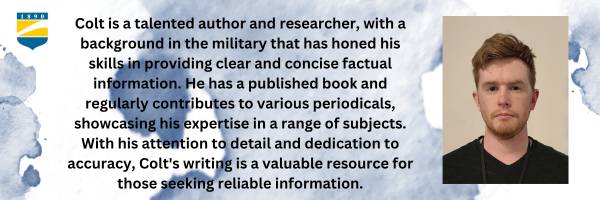
Written by Colt Parris