
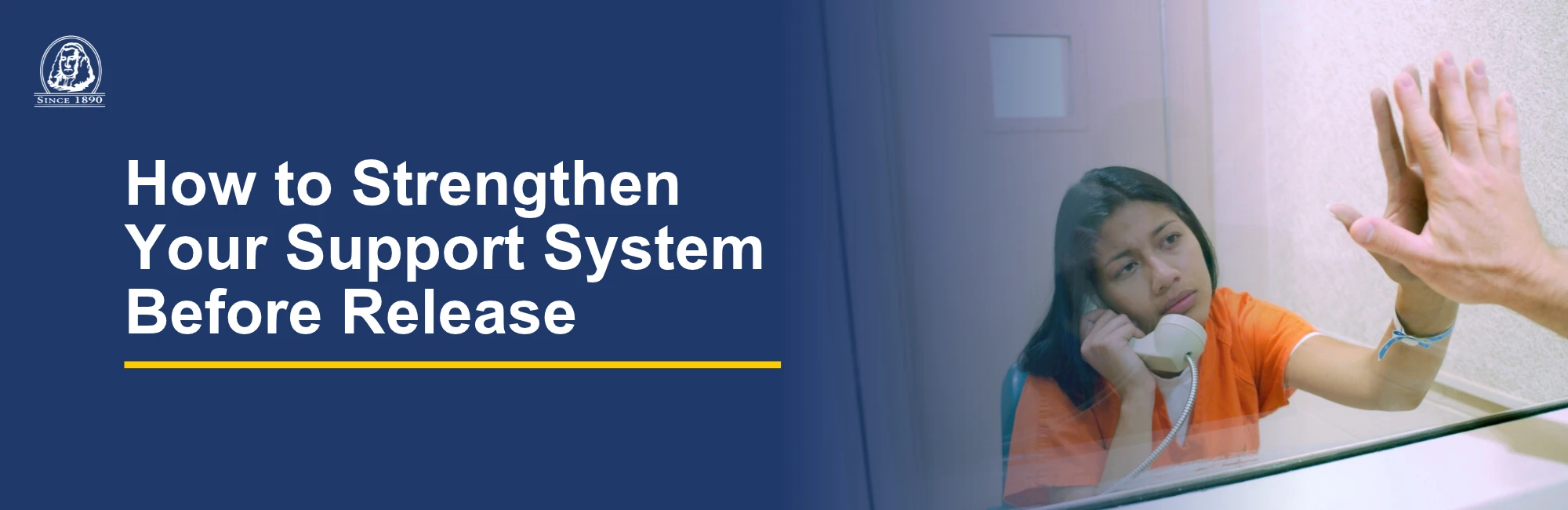
How to Strengthen Your Support System Before Release
Release day can feel like a finish line, but it is really the beginning of another transition. Housing, transportation, work, family relationships, appointments, and everyday decisions all arrive quickly. Having people to call can make those first few weeks less confusing. The goal before release is not to collect as many contacts as possible. It is to strengthen your support system by identifying dependable people, talking openly about what you will need, and finding organizations that can fill the gaps your personal network cannot.
The National Reentry Resource Center notes that people returning to the community often need help with housing, employment, transportation, health care, and family reunification. Those needs are easier to address when planning begins before release.
Start With Honest Family Conversations
Family can be one of the strongest parts of a reentry plan, but support works best when everyone understands what it will actually look like. A relative may provide a place to stay but may not be able to provide money. Someone else may offer rides to work but not transportation every day. Another person may simply be the one you call when you need to talk through a difficult decision.
Before release, engage in focused conversations to strengthen your support system. You may be able to seek out a potential place to stay among family members. Make sure to ask how long that arrangement can last, what household rules you will need to follow, and what expenses you will be expected to cover. Talk about transportation, work schedules, supervision requirements, and family responsibilities. If children are involved, discuss how contact will resume and what expectations everyone has.
The National Reentry Resource Center shares the struggles of family reunification, encouraging you to set healthy expectations. Incarceration can change relationships. People may care about each other deeply and still need time to rebuild trust, routines, and boundaries.
If you want to strengthen your support system, give family members room to say what they can and cannot do to help. Knowing the limits of your support is part of knowing where you need additional help.
Reconnect With the Right Friends
Release can also be a time to reconnect with old friends. The important word is right. Familiarity does not automatically make someone a healthy part of your next chapter.
Think about the people who encouraged your better decisions before incarceration. Who kept a job, followed through on commitments, cared about your family, or pushed you to think beyond the next weekend? Those are the relationships worth revisiting. A simple letter or phone call before release can reopen a connection and give both people time to decide what the friendship might look like now.
It is equally important to recognize when an old friendship belongs in the past. Someone can be a good person and still be connected to habits, conflicts, or environments that you are trying to leave behind. Strengthening your network is not about returning to every relationship you once had. It is about choosing relationships that support the life you are trying to build.
Reentry guidance from the National Reentry Resource Center emphasizes the value of family and other positive social connections. You can strengthen your support system by connecting with relatives, friends, mentors, faith communities, former teachers, employers, and peers who have successfully returned home themselves.
Build Support Beyond the People You Know
You may not have family waiting at the gate. Some relationships may be damaged, or your family may live far away. Family members may want to help but simply do not have the money, housing, or time to provide everything that is needed. That does not mean you have to return home without support.
Community organizations are a great way to strengthen your support system. Blackstone Career Institute highlights organizations that help incarcerated people and their families through services that can include mentoring, education, advocacy, family support, reentry assistance, and employment preparation. The right organization will depend on where you are returning and what barriers you expect to face.
The U.S. Department of Labor’s CareerOneStop resources for justice-impacted job seekers can also help you prepare for work after incarceration. Its guidance includes finding community resources, gathering personal documents, exploring careers, preparing applications, and locating job training.
Whenever possible, make contact before release. Write down names, phone numbers, addresses, eligibility requirements, office hours, and the documents you may need. Ask whether an appointment can be scheduled in advance. If someone on the outside is helping you, ask that person to confirm the information shortly before release because programs and requirements can change.
Strengthen Your Support System With a Plan
A support system becomes more useful when everyone knows the plan. Write down your first day, first week, and first month priorities. Identify who can help with each one. Your list might include housing, identification, transportation, supervision appointments, medical care, employment, food, banking, or education.
Do not expect one person to carry every need. Your sister might be your emergency contact. A friend might know about a job opening. A reentry organization might help with identification or transportation. A mentor might be the person you call when frustration starts turning into a bad decision. Different people can fill different roles.
Blackstone also provides an incarcerated resource page with career planning materials, reentry resources, and information for incarcerated students and their families. Resources like these can help turn a general goal into a more concrete plan for what comes next.
Start Before the Door Opens
You cannot predict every challenge that will come with release, and you do not need a perfect plan. You need enough reliable connections that one setback does not become a crisis.
Use the time before release to strengthen your support system deliberately. Have the difficult family conversations. Reach out to the friends who belong in your future. Find organizations that can help where personal relationships cannot. Write down the plan and make sure the people involved in your reentry process understand where you need their help.
The first days home will bring choices, responsibilities, and unexpected problems. A strong support system will not make those challenges disappear, but it can help you not face those challenges alone.
Written by Colt Parris